In an effort to promote discussion on key issues during the current election period, we are giving candidates the opportunity to answer a number of questions that may be of interest to local voters.
Everyone receives the same questions, and their answers are presented with minimal editing for format purposes only.
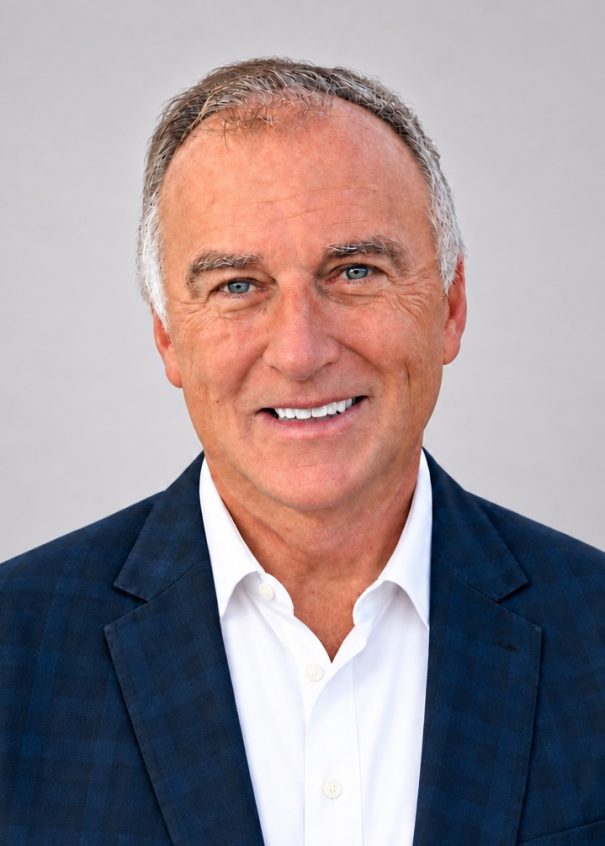
Here is the candidate profile for Belleville Mayoral Candidate Neil Ellis. Election day is October 26th.
First and Last Name:
Neil Ellis
Position Seeking:
Mayor, City of Belleville
Question 1 – Why are you running and what are your main priorities if elected/re-elected?
I am running because I believe in Belleville and want to continue working directly with residents, businesses, community organizations and Council to move our city forward.
My priorities are responsible growth, maintaining and improving our infrastructure, keeping a strong focus on affordability and fiscal responsibility, and addressing homelessness and community safety. Belleville is growing, and we need to make sure that growth is properly planned and that our infrastructure and services keep pace.
I also want to continue building strong relationships with our provincial and federal partners so that Belleville gets its fair share of funding and support.
Question 2 – How do you balance budgetary restraint with continuing increases in many areas of the municipal budget?
Municipal government has to make difficult choices. Residents expect good roads, reliable transit, safe water, wastewater services, parks, recreation, fire and police services, but they also expect Council to be responsible with their tax dollars.
My approach is to focus on core services, look for efficiencies, review spending carefully and make sure we are getting value for every dollar. We also need to distinguish between what is essential and what can be delayed or reconsidered.
Growth and outside funding are also important. We need to maximize provincial and federal funding opportunities rather than putting the entire burden on local taxpayers.
The 2026 budget process demonstrated the challenge of balancing these priorities, with the approved budget resulting in residential tax increases ranging from 4.55% to 7.03%, depending on the area.
Question 3 – Infrastructure projects are a huge strain on local budgets, especially when it comes to water/wastewater. How can we address/reduce these costs moving forward and mitigate the impact for ratepayers/taxpayers?
We need to plan infrastructure well in advance and make sure growth pays its appropriate share of the infrastructure required to support that growth.
Water and wastewater infrastructure is particularly expensive and requires long-term planning. In Belleville, these systems are operated separately from the tax-supported budget, with their operating and capital costs recovered through water and wastewater rates.
We need to continue investing in infrastructure because delaying necessary maintenance only makes projects more expensive later. At the same time, we need to prioritize projects based on need, risk and available funding, pursue senior-government grants and ensure development charges and other growth-related tools are being used appropriately.
The goal should be sustainable infrastructure without placing an unreasonable burden on existing residents.
Question 4 – What measures can the municipality take to address the issues of affordability and housing security?
Municipal government has an important role to play, but we have to recognize that affordability and housing are shared responsibilities between all three levels of government.
At the municipal level, we can support housing supply by ensuring our planning processes are efficient, encouraging a range of housing types and densities, and making appropriate use of municipal land and incentives where they make sense.
We also need to work with provincial and federal governments and community organizations to increase affordable and supportive housing. Simply building more housing is important, but we also need housing that is attainable for working families, seniors and people on fixed incomes.
We need to make sure Belleville grows in a way that provides housing choices while maintaining the quality of life that makes our community a good place to live.
Question 5 – Homelessness has become a major issue for most local communities. What would you do to address this issue and what needs to happen to have a meaningful impact?
Homelessness is one of the most difficult issues facing communities across Ontario and Canada, and it cannot be solved by municipalities alone.
The City has a responsibility to provide the services and supports that fall within our mandate, but meaningful progress requires a much stronger partnership with the provincial and federal governments, particularly when it comes to supportive housing, mental health, addictions treatment and income supports.
We need to focus on moving people from homelessness into stable housing and providing the supports necessary to help them remain housed. At the same time, residents and businesses deserve to feel safe in their neighbourhoods and communities.
I believe the most effective approach is one that combines compassion and support with accountability, while recognizing that the long-term solutions require all levels of government and community agencies working together.
Question 6 – What message do you want the voter to know about you and your campaign and your priorities for the next four years?
I bring experience at both the municipal and federal levels, but most importantly, I bring a deep understanding of Belleville and the people who call this community home.
I have served as Mayor of Belleville and represented our community in Ottawa. That experience has taught me that getting things done requires listening, building relationships and working with people rather than simply making promises.
Over the next four years, my focus would be on responsible growth, infrastructure, affordability, fiscal responsibility, housing, homelessness and community safety.
Belleville has tremendous potential. I want to continue working with residents, Council, businesses and our provincial and federal partners to make sure we manage our growth responsibly and build a strong future for our community.