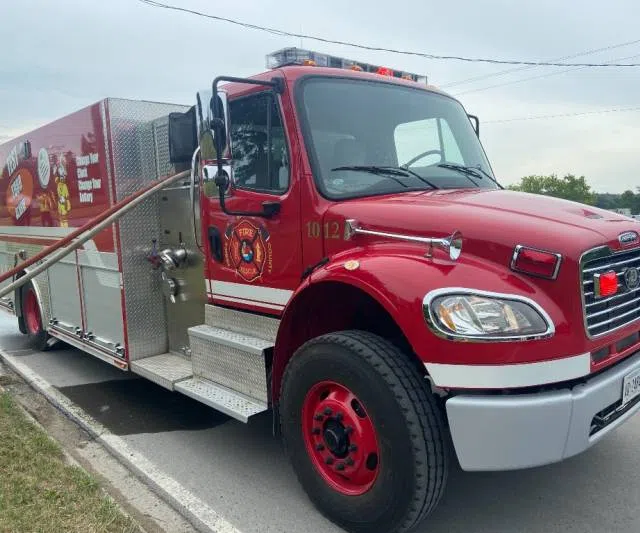
Prince Edward County Fire & Rescue is advising residents to prepare for the changes in carbon monoxide alarm requirements coming into effect on January 1, 2026.
The new regulations under the Ontario Fire Code are designed to strengthen public safety and minimize the risk of carbon monoxide poisoning.
“As the silent killer, carbon monoxide poses a deadly threat that you can’t detect without a proper alarm,” says Tim Kraemer, Interim Fire Chief. “These changes in the regulations are vital for safeguarding families in our community. I urge all residents to take some time over the holidays to install new alarms if required and check the alarms they currently have and upgrade them if necessary. Your safety — and the safety of those you love — depends on it.”
As of Thursday, January 1, property owners must ensure:
- A carbon monoxide alarm is on every storey that does not contain a sleeping area (for example, a main floor or basement).
- A carbon monoxide alarm is adjacent to every sleeping area in your home
- In multi-unit residential buildings, carbon monoxide alarm requirements apply to individual units based on the presence of fuel-burning appliances or attached garages and may also apply to public corridors served by fuel-fired equipment.
Homeowners must make sure their homes are compliant with the new regulations, while landlords are responsible for rental properties.
Carbon monoxide is a colourless, odourless, tasteless and toxic gas and is often referred to as the silent killer. When inhaled it inhibits the blood’s capacity to transport oxygen throughout the body. It can poison the body quickly in high concentrations, or slowly over long periods of time. Exposure to carbon monoxide can cause headaches, dizziness, nausea, and in severe cases, death.
Even if your home already has a carbon monoxide alarm, you may need to add more to comply with the new regulations. Failing to have the required carbon monoxide alarms is an offence under the Ontario Fire Code.
Carbon monoxide can be generated by furnaces, room heaters, fireplaces, hot water heaters, stoves or grills and any gas-powered vehicle or engine. Automobiles left running in attached garages, gas barbecues operated inside the house, or chimneys and vents that are dirty or plugged can create unsafe levels of carbon monoxide. When properly installed, maintained and vented, any carbon monoxide produced by these devices will not stay inside the home.
Prince Edward County Fire & Rescue also encourages residents to test alarms regularly and have all fuel-burning appliances annually inspected by a qualified technician and ensure vents and exhausts are clear of snow, debris and obstructions.


