In an effort to promote discussion on key issues during the current election period, we are giving candidates the opportunity to answer a number of questions that may be of interest to local voters.
Everyone receives the same questions, and their answers are presented with minimal editing for format purposes only.
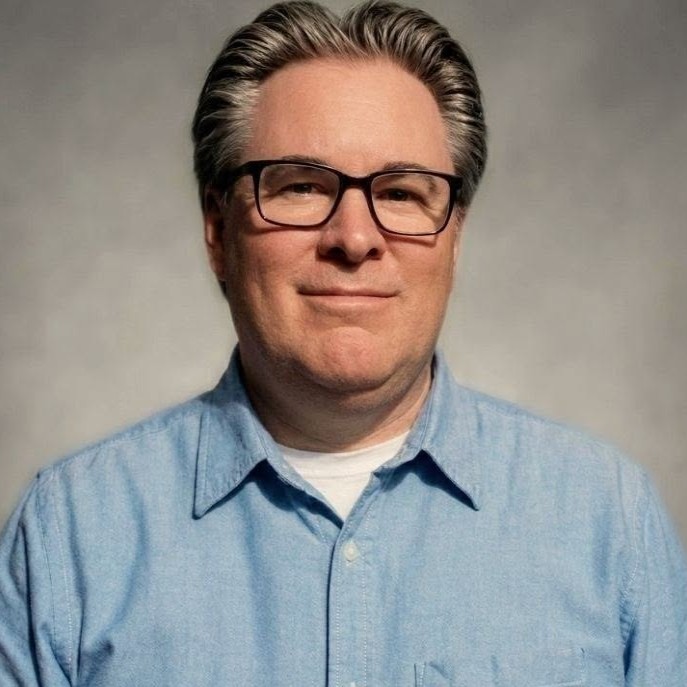
Here is the candidate profile for Quinte West Council Candidate Ward One (Trenton) Robert Wharram.
Election day is October 26th.
First and Last Name
Robert Wharram
What position are you seeking in the upcoming municipal election on October 26?
Councillor – Ward One (Trenton)
Question 1 – Why are you running and what are your main priorities if elected/re-elected?
I’m running because Quinte West deserves experienced leadership that listens to residents, respects taxpayers, and acts on community input. Citizens shouldn’t just be heard. Their voices should carry real weight. Focus on Fundamentals: Prioritize essential infrastructure like repairing roads and sidewalks, and making hazardous corridors like Water Street, Sidney Street, and Highway 2 safer. Fiscal Responsibility: Manage taxpayer dollars wisely by questioning high-risk, expensive megaprojects. Accountable Governance: Ensure local government actively involves citizens so public input drives Council decisions.
Question 2 – How do you balance budgetary restraint with continuing increases in many areas of the municipal budget?
Balancing the budget comes down to long-term fiscal discipline: prioritizing essential community needs while eliminating speculative spending and rubber-stamp approvals. Costly inefficiencies in Quinte West – such as unnecessary infrastructure investments, uncontrolled project cost overruns, and inappropriate service expansions – show that higher spending isn’t always driven by inflation, but by poor oversight. There are plenty of savings already available within our existing budget – we simply need a new Council ready to break away from the old way of doing things and put taxpayers first on day one.
Question 3 – Infrastructure projects are a huge strain on local budgets, especially when it comes to water/wastewater. How can we address/reduce these costs moving forward and mitigate the impact for ratepayers/taxpayers?
To protect ratepayers, we must stop allowing short-term development fees to mask decades of long-term operational and replacement costs. When Council tried to shift the exorbitant operating fees of isolated rural wastewater plants onto everyone else’s utility bills, I worked with residents to expose and stop it. Moving forward, we can reduce these infrastructure burdens through three key actions: Build Where Capacity Exists: Prioritize housing near established water and sewer networks rather than isolated developments that create long-term liabilities. Reject High-Risk Liabilities: Refuse custom utility setups or floodplain developments that expose taxpayers to massive operational risks and insurance costs. Rigorous Budget Oversight: Scrutinize major utility projects early to stop multi-million-dollar cost overruns before they reach your bills.
Question 4 – What measures can the municipality take to address the issues of affordability and housing security?
As a three-year warming centre volunteer who has worked directly with unhoused neighbours and delivered food to local families, I know addressing housing security requires hands-on, compassionate action driven by real-world experience rather than bureaucratic delay. To create meaningful impact, I will focus on three key priorities: Accelerate Next-Step Housing: Streamline planning approvals, permit boarding houses, offer modest incentives for affordable units, and support rapid emergency housing to provide long-term stability over costly ER or shelter visits. Empower Community Partners: Utilize modest municipal grants and work seamlessly with front-line groups like the Care and Share Food Bank and regional networks to deliver integrated health, mental health, and transitional supports. Remove Mobility Barriers: Fix broken sidewalks, prioritize winter clearing, and strengthen public transit so seniors, persons with disabilities, and non-drivers maintain their independence affordably and with dignity.
Question 5 – Homelessness has become a major issue for most local communities. What would you do to address this issue and what needs to happen to have a meaningful impact?
A meaningful impact happens when local government treats homelessness as a public health issue. Empower Local Agencies: Expand modest municipal grants for established community groups like the food bank who deliver direct, daily support. Advocate for Integrated Health Services: Push county and provincial health authorities to restore targeted homelessness supports and fund local mental health, addiction treatment, and crisis-de-escalation resources. Preventative Outreach: Support outreach programs that assist struggling families and tenants before they lose their housing.
Question 6 – What message do you want the voter to know about you and your campaign and your priorities for the next four years?
Real change comes from proven dedication, not polished political promises. Whether volunteering at the warming shelter, standing up for ratepayers against unfair rate shifts, bringing the data centre debate into the open, or working alongside parents to secure free student transit, I haven’t waited for a title to fight for our community. Over the next four years, I want to bring that same hands-on, constructive advocacy to City Council, building a collaborative local government where residents are treated as active partners, city workers are respected, and every decision is guided by what genuinely improves daily life across Trenton and Quinte West.