In an effort to promote discussion on key issues during the current election period, we are giving candidates the opportunity to answer a number of questions that may be of interest to local voters.
Everyone receives the same questions, and their answers are presented with minimal editing for format purposes only.
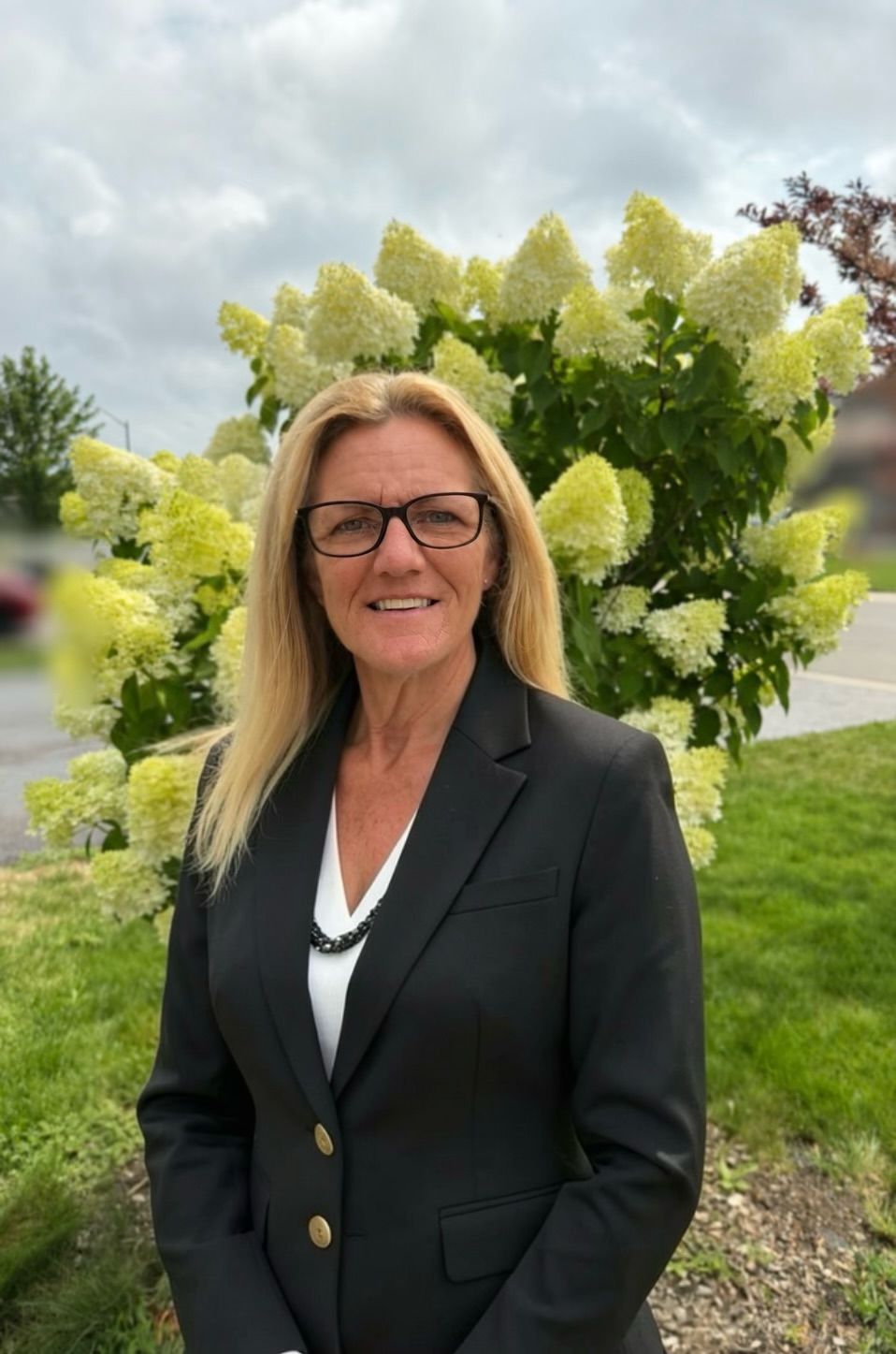
Here is the candidate profile for Quinte West Council Candidate in Trenton (Ward One) – Leslie Roseblade
Election day is October 26th.
First and Last Name
Leslie Roseblade
What position are you seeking in the upcoming municipal election on October 26?
Councillor Ward 1 Trenton – City of Quinte West
Question 1 – Why are you running and what are your main priorities if elected/re-elected?
I am running for re-election because I care deeply about Quinte West and believe my experience can continue to make a positive contribution to our community. I have spent 33 years working in municipal government and nine years serving as a City Councillor. That experience has given me a strong understanding of how municipal government works, but more importantly, it has allowed me to listen to residents and understand the issues that affect them every day. My priorities for the next four years are responsible management of taxpayers’ dollars, maintaining and improving our roads and infrastructure, keeping taxes and water and sewer rates as affordable as possible, attracting new businesses and employment opportunities, supporting housing development, continuing efforts to recruit physicians and supporting our hospital, and investing in the parks, recreation facilities and trails that contribute to our quality of life. Quinte West is growing, and we need to make sure that growth is responsible, sustainable and benefits the people who already call this community home.
Question 2 – How do you balance budgetary restraint with continuing increases in many areas of the municipal budget?
This is one of the biggest challenges facing municipalities. Costs are increasing for everything from construction and fuel to wages, equipment and essential services, but residents are experiencing those same financial pressures in their own households. Council has a responsibility to look carefully at every dollar being spent. That means distinguishing between what we need and what we want, reviewing programs and services for efficiencies, planning capital projects responsibly, and ensuring we are getting the best value possible from taxpayers’ dollars. At the same time, simply postponing necessary work can end up costing taxpayers more in the future. Roads, buildings, water systems and other infrastructure still need to be maintained. The challenge is prioritizing those investments, planning ahead and taking advantage of provincial and federal funding wherever possible. I believe fiscal responsibility means protecting essential services and infrastructure while recognizing that taxpayers cannot continually absorb large increases.
Question 3 – Infrastructure projects are a huge strain on local budgets, especially when it comes to water/wastewater. How can we address/reduce these costs moving forward and mitigate the impact for ratepayers/taxpayers?
Water and wastewater infrastructure is extremely expensive, and municipalities cannot continue to place the entire burden of major infrastructure renewal on local ratepayers. We need strong long-term asset management so that we know what infrastructure needs to be replaced and when, rather than waiting until something fails. We also need to coordinate projects whenever possible. If a road is being reconstructed, for example, we should be looking at the underground infrastructure at the same time so we are not paying to tear up the same road again a few years later. We must also continue advocating to the provincial and federal governments for infrastructure funding. Municipalities are responsible for providing critical infrastructure, but we have limited ways of raising revenue. Senior levels of government need to be meaningful partners in these projects. Finally, growth needs to contribute appropriately toward the infrastructure required to support it. We need development, but we also need to make sure existing residents are not unfairly carrying the costs associated with that growth.
Question 4 – What measures can the municipality take to address the issues of affordability and housing security?
There is no single solution to the housing problem. We need more housing of different types and at different price points, including rental housing, affordable housing, seniors’ housing and supportive housing. The municipality can help by ensuring our planning and approval processes are efficient, identifying appropriate municipal land for housing opportunities, encouraging additional residential units and higher-density development where appropriate, and working with responsible developers and non-profit organizations. However, municipalities cannot solve housing affordability alone. We need continued cooperation and investment from Hastings County and the provincial and federal governments. Our role should be to remove unnecessary barriers, encourage responsible development and advocate strongly for the housing our community needs.
Question 5 – Homelessness has become a major issue for most local communities. What would you do to address this issue and what needs to happen to have a meaningful impact?
Homelessness is one of the most difficult challenges communities are facing, and it cannot be solved by one municipality or one program. We need both immediate supports for people who are experiencing homelessness and long-term solutions that help people achieve stability. Housing is obviously an important part of that, but homelessness can also involve mental health, addictions, income, employment and other complex circumstances. Hastings County is the service manager responsible for housing and homelessness programs in our area, so Quinte West needs to continue working closely with the County, community organizations, healthcare providers and other levels of government. Programs such as coordinated access, case management, rent supports and supportive housing are important because simply finding someone a place to live does not always address the circumstances that led to homelessness in the first place. We also need the provincial and federal governments at the table. Municipal property taxpayers cannot be expected to fund solutions to complex social, health and housing issues on their own. Meaningful progress will require housing, mental-health and addiction services, prevention programs and sustained funding working together.
Question 6 – What message do you want the voter to know about you and your campaign and your priorities for the next four years?
My message is simple: I care about this community, I know municipal government, and I am prepared to continue doing the work. I bring 33 years of municipal experience and nine years as a City Councillor. I understand the importance of listening to residents, asking questions, studying the information in front of me and making decisions based on what I believe is in the best long-term interest of Quinte West. I will continue to focus on responsible spending, affordable taxes and water and sewer rates, roads and infrastructure, healthcare and physician recruitment, housing, economic development, and maintaining the parks, recreational facilities and community spaces that make Quinte West a great place to live. I will not make decisions simply because they are popular or because there is an election approaching. Residents elect councillors to listen, do their homework and make informed decisions. I am proud of my record of service, and I am asking residents for the opportunity to continue representing Trenton Ward for the next four years.