In an effort to promote discussion on key issues during the current election period, we are giving candidates the opportunity to answer a number of questions that may be of interest to local voters.
Everyone receives the same questions, and their answers are presented with minimal editing for format purposes only.
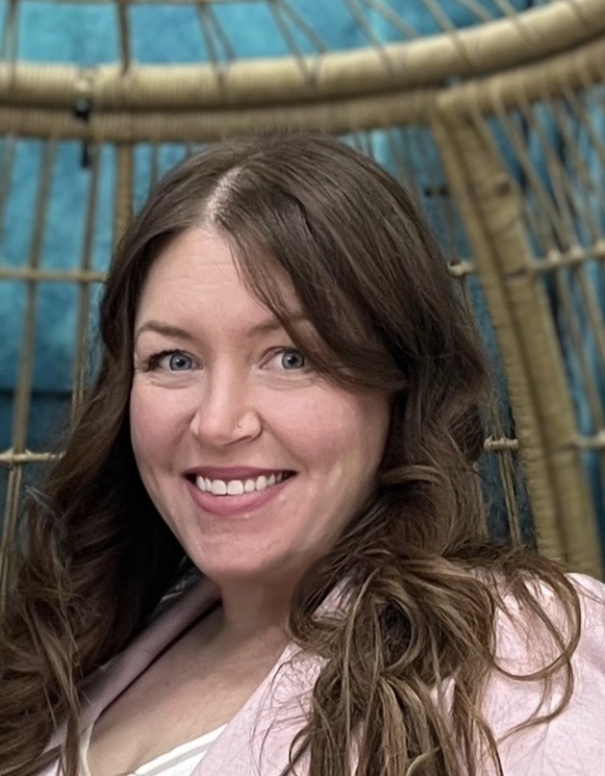
Here is the candidate profile for Quinte West Council Candidate for Sidney Ward (Ward 2) Kate Widdifield.
Election day is October 26th.
First and Last Name
Kate Widdifield
What position are you seeking in the upcoming municipal election on October 26?
Councillor, Sidney Ward, Quinte West
Question 1 – Why are you running and what are your main priorities if elected/re-elected?
Affordability used to be an attainable goal, but the cost of living is rising at unprecedented rates and our municipal government has the ability to impact affordability locally. After a decade working in Human Resources, mostly in the non-profit sector where funds are limited, I’ve developed strong advocacy skills, an innate ability to find ways to improve efficiencies and reallocate existing resources, and collaborative problem-solving skills that examine interconnected issues and implement solutions that address the root cause of the problems. I want to use those skills to help make life more affordable in Quinte West. My main priorities, if elected will involve focused consultation with internal departments, external stakeholders, and residents to determine the best ways to incentivize the availability of affordable housing, reallocate resources to ensure better service provision to rural areas, and to ensure that the voices of residents are heard and responded to with clear, transparent, and timely communication.
Question 2 – How do you balance budgetary restraint with continuing increases in many areas of the municipal budget?
First, we need to look internally and adapt processes to be more efficient, enabling the reallocation of resources. In addition, we need to look at other sources of funding beyond our tax base. There are grants from higher levels of government, for example. Collaboration with economic development to attract responsible, environmentally friendly industries to the area, and collaboration with local businesses, the DBIA, and internal departments to determine alternate ways to attract tourism can also become sources of funding which relieves the burden of tax increases on residents.
Question 3 – Infrastructure projects are a huge strain on local budgets, especially when it comes to water/wastewater. How can we address/reduce these costs moving forward and mitigate the impact for ratepayers/taxpayers?
Infrastructure is costly and most of the time, it is necessary to upgrade the existing infrastructure to support growth and to prevent breakdowns, however, with affordability being a primary concern for most residents, it’s important to determine where our repeat or redundant work is occurring so it can be eliminated, and to determine what other costs can be cut to allocate funding to the necessary projects. We should be looking at the cost/benefit analyses on all of are major expenditures and determining if anything can be offloaded, adapted, or altered to free up funds. When we examine each decision separately, it’s easy to overlook alternate opportunities for cost efficiency, but when we consider our decisions as a part of an interconnected ecosystem, we can make informed decisions and mitigate negative impacts.
Question 4 – What measures can the municipality take to address the issues of affordability and housing security?
This question requires collaborative consultation with planners, developers, and social service workers to understand the full picture and the impacts of our decisions at the municipal level, but based on the limited information I’ve been able to gather on my own, it sounds like in addition to the rising cost of building materials, developers face a repetitive and costly permitting process, designed to prevent them from cutting corners, but we have many reputable developers locally who do not cut corners. I think that with all stakeholders at the table, we could create a simplified permitting system for developers who have earned that trust, and develop a fee structure which incentivizes the building of smaller homes and multi-unit homes without it hurting the developers’ bottom lines. We can utilize inclusionary zoning to ensure affordable rentals, and we must keep in mind that half of the population of Quinte West is living on a single income, and our average income is $57,000 (in 2022). Housing should be available at 30% of that rate.
Question 5 – Homelessness has become a major issue for most local communities. What would you do to address this issue and what needs to happen to have a meaningful impact?
I am mindful that there are those who do not wish to be housed; and there are those whose mental health or addictions make it difficult to be housed or remain housed and those individuals have the right to determine if they would like to seek support, and the right to determine the level of support they would like to receive. We can work with community partners to ensure these individuals receive outreach support and have access to the supports they need and want. We also have a large number of individuals and families that simply cannot afford housing because the economy is so difficult right now. We need to reduce the demand for community housing and in order to do that, we need to incentivize the development of affordable homes and rentals.
Question 6 – What message do you want the voter to know about you and your campaign and your priorities for the next four years?
This community was built on neighbours supporting one another. My vision for Quinte West is a municipal government that operates less like a corporation, and more like a local business, with deep ties to the community and people first approach. Corporations are focused on revenue first and within that type of culture staff and clients become transactional. Local businesses must take a people first approach because their survival depends upon their integrity, dedicated staff, and a genuine desire to understand the perspectives of all stakeholders.