In an effort to promote discussion on key issues during the current election period, we are giving candidates the opportunity to answer a number of questions that may be of interest to local voters.
Everyone receives the same questions, and their answers are presented with minimal editing for format purposes only.
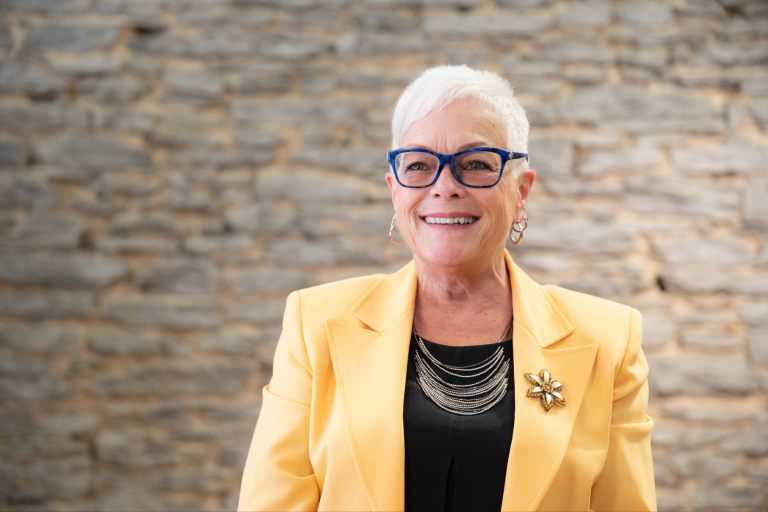
Here is the candidate profile for Council Candidate for Bloomfield/Hallowell (Ward 2) Joanne Fralick
Election day is October 26th.
First and Last Name
Joanne Fralick
What position are you seeking in the upcoming municipal election on October 26?
Councillor, Ward 2 Bloomfield/Hallowell Prince Edward County
Question 1 – Why are you running and what are your main priorities if elected/re-elected?
My strongest qualification is that I’ve spent years watching how municipal government functions. As a journalist, I’ve covered at least 500 Council meetings, questioned their decisions, followed issues through to their consequences, and learned how budgets, planning and local politics affect people on the ground. I’ve also lived in Ward 2 for 18 years and raised my family here. That combination gives me something different: I’m not coming to Council to learn how government works. I’m coming prepared to ask the questions our residents need answers to, to challenge assumptions when necessary, and to represent the very different needs of our villages, farms, rural residents, and waterfront communities. My main priorities are 1. Managing growth responsibly. Ward 2 is changing, and we need to make sure growth happens at a pace and scale our infrastructure, roads, and communities can support. Growth should strengthen the community, not simply make it more expensive to live here. 2. Affordability and housing. We need housing that people who work here, young families, and seniors can afford. Not the government-recommended rate of 30 per cent below average retail. That means encouraging a wider range of housing options and keeping the needs of permanent residents at the centre of planning decisions. 3. Infrastructure and financial responsibility. Aging roads, water and wastewater systems, and other municipal assets require enormous investment. We must maintain what we already have while carefully evaluating what new infrastructure we can afford and what growth should pay for. With tax and water costs already under pressure, every major decision needs to come back to one question: what does this cost residents, and what are they getting for it?
Question 2 – How do you balance budgetary restraint with continuing increases in many areas of the municipal budget?
Balancing budgetary restraint with rising costs starts with asking the right questions. We need to carefully review spending, challenge assumptions, and distinguish between what we need and what would be nice to have. Core services and essential infrastructure must remain priorities, but taxpayers deserve transparency and accountability for every dollar spent. I’m not promising to cut blindly; I’m committed to making thoughtful, responsible decisions that respect the financial realities facing our residents.
Question 3 – Infrastructure projects are a huge strain on local budgets, especially when it comes to water/wastewater. How can we address/reduce these costs moving forward and mitigate the impact for ratepayers/taxpayers?
Affordability has to be at the centre of our infrastructure decisions. Water and wastewater services are essential, but the cost of maintaining and expanding them cannot become an unbearable burden for households already struggling with rising living expenses. I would push for careful project planning, transparent budgeting, grant opportunities, and a clear understanding of who ultimately pays. We need to ensure growth pays its fair share, prioritize the most urgent needs, and consider the financial impact on existing residents before committing to major expenditures. Responsible infrastructure planning means protecting both our essential services and the financial well-being of the people who depend on them.
Question 4 – What measures can the municipality take to address the issues of affordability and housing security?
The County can take practical steps to improve affordability and housing security by streamlining approvals for smaller, attainable housing; encouraging secondary suites, duplexes and modest rental developments; and working with non-profit housing providers to expand affordable units. We should also make full use of provincial and federal funding, protect existing affordable housing, and enforce property standards so tenants have safe, decent homes. Any expansion of housing must be balanced with infrastructure capacity and the financial impact on existing taxpayers. My priority is to pursue realistic solutions that help lower- and middle-income residents, seniors and young families find housing they can afford without being priced out of the community they call home.
Question 5 – Homelessness has become a major issue for most local communities. What would you do to address this issue and what needs to happen to have a meaningful impact?
Meaningful progress requires more than temporary shelters; it requires safe, affordable housing and access to mental health and addiction services. The County must work with community organizations and provincial partners to expand housing options, strengthen prevention, and connect people with the support they need. Homelessness is a community responsibility, and every person deserves dignity, security, and a place to call home.
Question 6 – What message do you want the voter to know about you and your campaign and your priorities for the next four years?
I’m running because I believe local government should work for the people who live here, not price them out of the community they call home. My priorities are affordability, responsible spending, safe housing, and a stronger community. I will listen, ask questions our taxpayers want answers to, and fight for practical solutions. People first. Accountability always. A County we can all afford to call home.