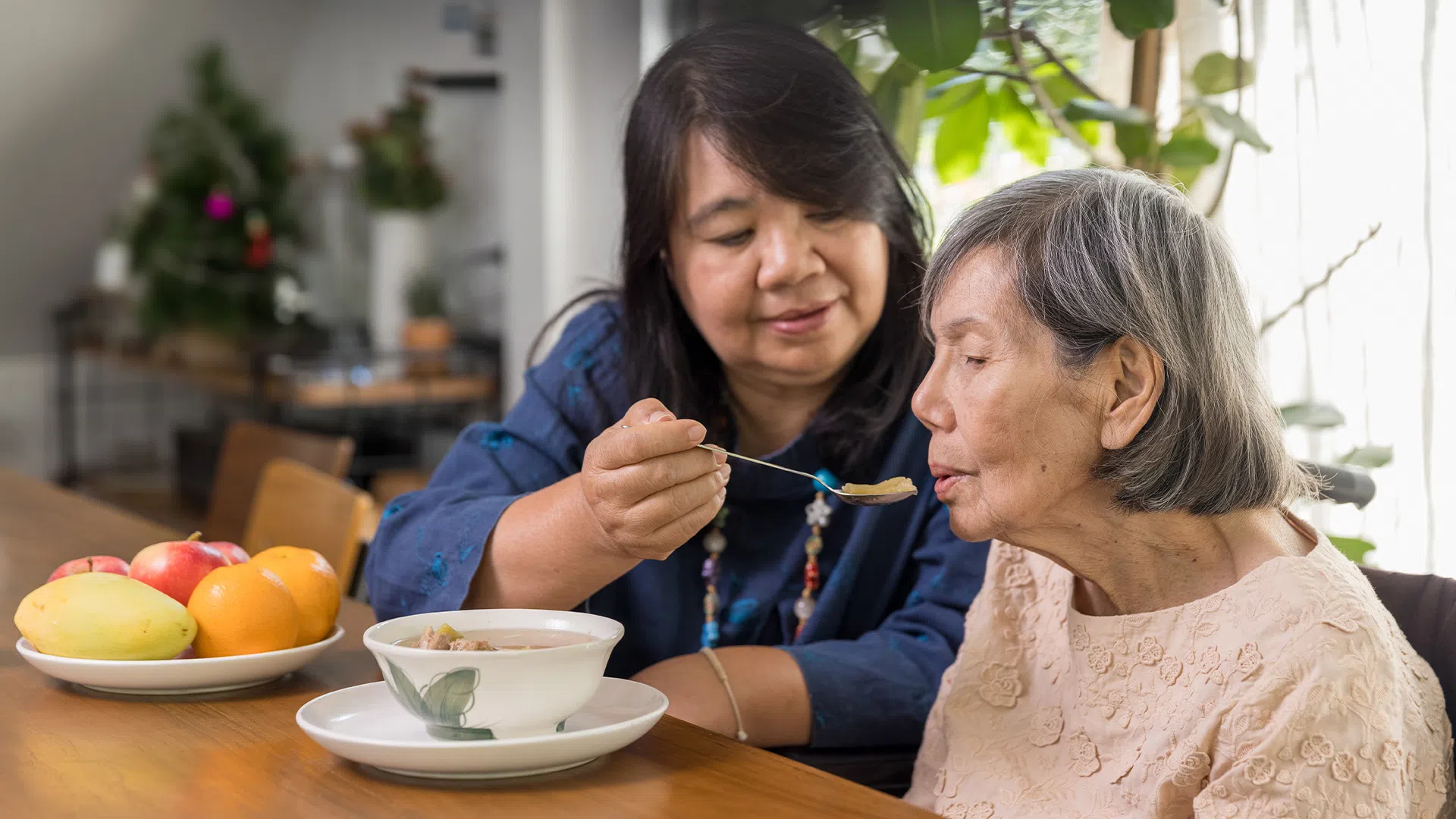
Becoming a caregiver is often not a decision one makes on their own. It’s most often the case that a family member becomes ill or unable to care for themselves, and therefore that responsibility falls to you, the family member. There are an estimated 4 million caregivers in Ontario who are providing physical and/or emotional support to someone in need. Nearly half are part of what’s called the “sandwich generation”, caring for their own parents or in-laws while also raising children under the age of 18. That can be a heavy burden for someone who has never learned how to properly be a caregiver!
Fortunately, a large part of Hospice Quinte’s mission is to help caregivers who are caring for someone in the final stages of their life. This article will go over some of the basics of being a caregiver.
Depending on the level of mobility of the person you are taking care of, you may be required to do things like getting them in and out of bed, the bathroom, or a mobility device like a wheelchair. This requires performing a lift, and it can potentially be very dangerous to both the caregiver and patient if not done correctly and with care. There are three things to avoid when doing a lift, which is using an unnecessary amount of force, using a fixed or awkward posture, and repeating strenuous movements too frequently. If you do find yourself frequently needing to move the person you’re caring for, it’s important to pay attention to what your body is telling you to see if you are hurt or developing a problem that could get worse over time. If you have any pain both when you are or aren’t moving, a reduced range of movement, swelling or tenderness, and any tingling or numbness, you may have an injury you should look into.
Overall it’s important to take into consideration what you are and are not capable of, and try to find any tools or methods to help you accomplish any tasks that could cause injury. It’s one thing to be able to lift your person out of bed once, but it’s different to do it multiple times a day every day for potentially years. You can’t be a good caregiver if you need someone to take care of you after you are injured!
The next thing to consider is cleanliness and hygiene. It’s very important to make sure the area and anything that comes into contact with the person in your care is clean and sterilized to prevent any further illness or complications that come from dirt or germs. It’s also important to remember that being clean and tidy has as much of an impact on maintaining a person’s dignity as it does their health.
Finally, it’s vital that you pay attention to your mental health and do whatever you can to ensure you are doing well mentally. Recognize, attend, and respond to signs of stress, develop and strengthen an understanding of how self-awareness and self-care are a central link to wellbeing, and identify opportunities to increase self-compassion.
When considering self-care, it’s important to remember a few things: good self-care will increase both your physical and emotional health and resilience. Most importantly, however, it will increase the quality of care you can provide for your loved one.
There is a lot that goes into caregiving that one might not consider, so taking the time to learn about different strategies and skills can make all the difference to both you and the person in your care. The things we just went over are by no means a comprehensive list of everything you should know about being a caregiver, but they are a few basic tips that can help if you are new to caregiving.
If you want a more in-depth lesson about these topics and other things related to providing care, consider attending Hospice Quinte’s Practical Caregiver Training Course. The course is broken down into five sessions that will teach you everything you need to know about being a caregiver, including some of the topics we touched on in this episode. All courses are taught by trained professionals including Hospice Quinte staff, and will give you the skills and knowledge you need to provide adequate care for your loved one at absolutely no cost to you.
Most caregivers don’t anticipate that they will need to be a caregiver, and as a result don’t have the training they need. Hospice Quinte’s Practical Caregiver Training Course is for you. Visit hospicequinte.ca to learn more about all of Hospice Quinte’s community support programs.
Hospice Quinte provides individuals, their families, and caregivers with compassionate end of life care, by attending to their physical, psychosocial, and practical needs, and offering empathetic care to those who are grieving through visiting hospice services and support groups. All Hospice Quinte programs and services are provided by compassionate, well-trained volunteers and staff at no charge to the individual or their family. We serve a population of over 110,000 in Quinte West, Belleville, Deseronto, Tyendinaga Township and the Tyendinaga Mohawk Territory.