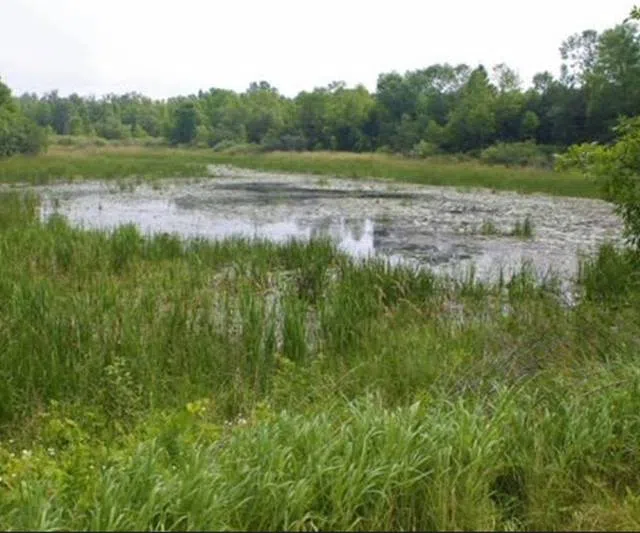
A Brighton resident has been ordered to pay a $15,000 fine after being found guilty of destroying and removing wetland without Lower Trent Conservation’s permission.
In a statement, the conservation authority said the unidentified person was found guilty of three counts of undertaking development activities and interfering with a wetland without prior written permission contrary to the Conservation Authorities Act.
The resident received the fine in addition to a Restoration Order being placed on the property, said Gage Comeau, Manager, Watershed Management, Planning and Regulations.
“The prosecution and fine are a strong reminder that contractors and landowners have an obligation to conduct their own due diligence prior to undertaking any development activities and ensure they are abiding by environmental protection laws,” Comeau said.
Within the Lower Trent Conservation watershed jurisdiction, any development activities in or adjacent to river or stream valleys, the Lake Ontario shoreline (including the Bay of Quinte), the Rice Lake shoreline, watercourses, hazardous lands and/or wetlands are regulated under Ontario Regulation 163/06 – Lower Trent Region Conservation Authority: Regulation of Development, Interference with Wetlands and Alterations to Shorelines and Watercourses. “Any development activities within a regulated area require permission from the Conservation Authority prior to the commencement of any on-site works” says Manager, Watershed Management, Planning and Regulations, Gage Comeau.
“We encourage landowners to contact us prior to initiating development or site alteration on a property so that permitting requirements can be confirmed as early as possible in the planning stages,” added Comeau.
Mapping is available to the public on our website at LTC.on.ca through the `Planning & Permits’ tab as well as an on-line property inquiry tool.
LTC will provide written comments, as well as the option to request a map and/or site visit, stating whether a property is likely to be affected by Conservation Authority policies and regulation.
A response to the property inquiry provides a formal record of the inquiry and offers valuable information to the client when making decisions to purchase, build on, or undertake development activities (i.e., site grading, placement of material and/or construction/placement of a structure) on the site.
“We encourage everyone to use this tool to avoid situations like this,” Comeau urged.
The intent of the regulation and permitting process is to ensure that the control of flooding, erosion, dynamic beaches, pollution and the conservation of land are not negatively impacted by the activity that is being proposed, he stated.
“It’s measures like these that help to protect peoples’ lives and property.”


